About Us
Two Perspectives. One Mission.
Inspired by Personal Experience. Built on Decades of Industry Insight.
Rare Disease Data Trust was founded at the intersection of two different experiences, united by a common realization: patients with treatable rare diseases were already receiving care throughout the healthcare system, yet too many remained undiagnosed.
RDDT brings together the resources of biopharma, the clinical authority of healthcare organizations, the power of technology, and the expertise of independent clinical specialists within a governed, patient-first economic architecture.
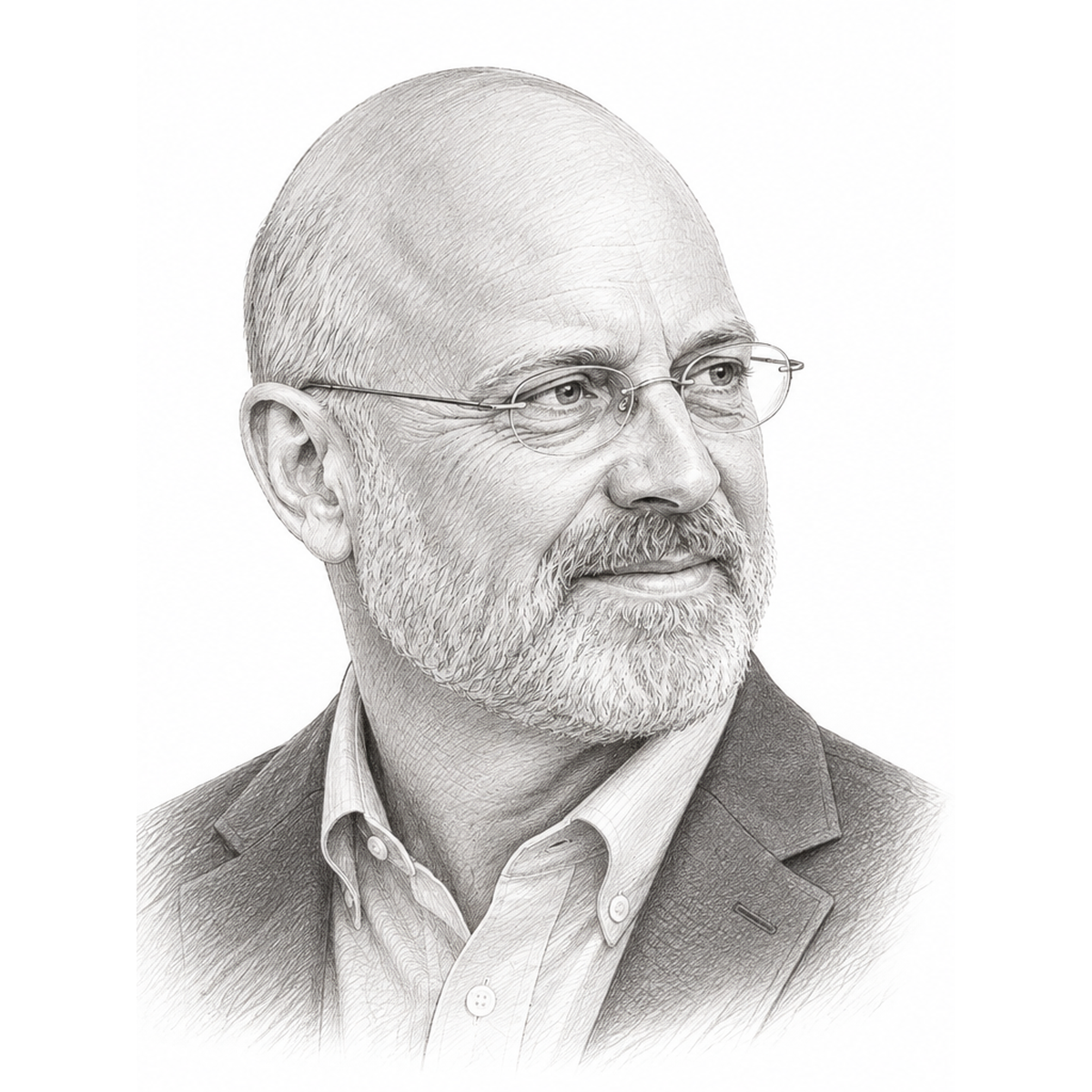
A Diagnosis That Changed a Life
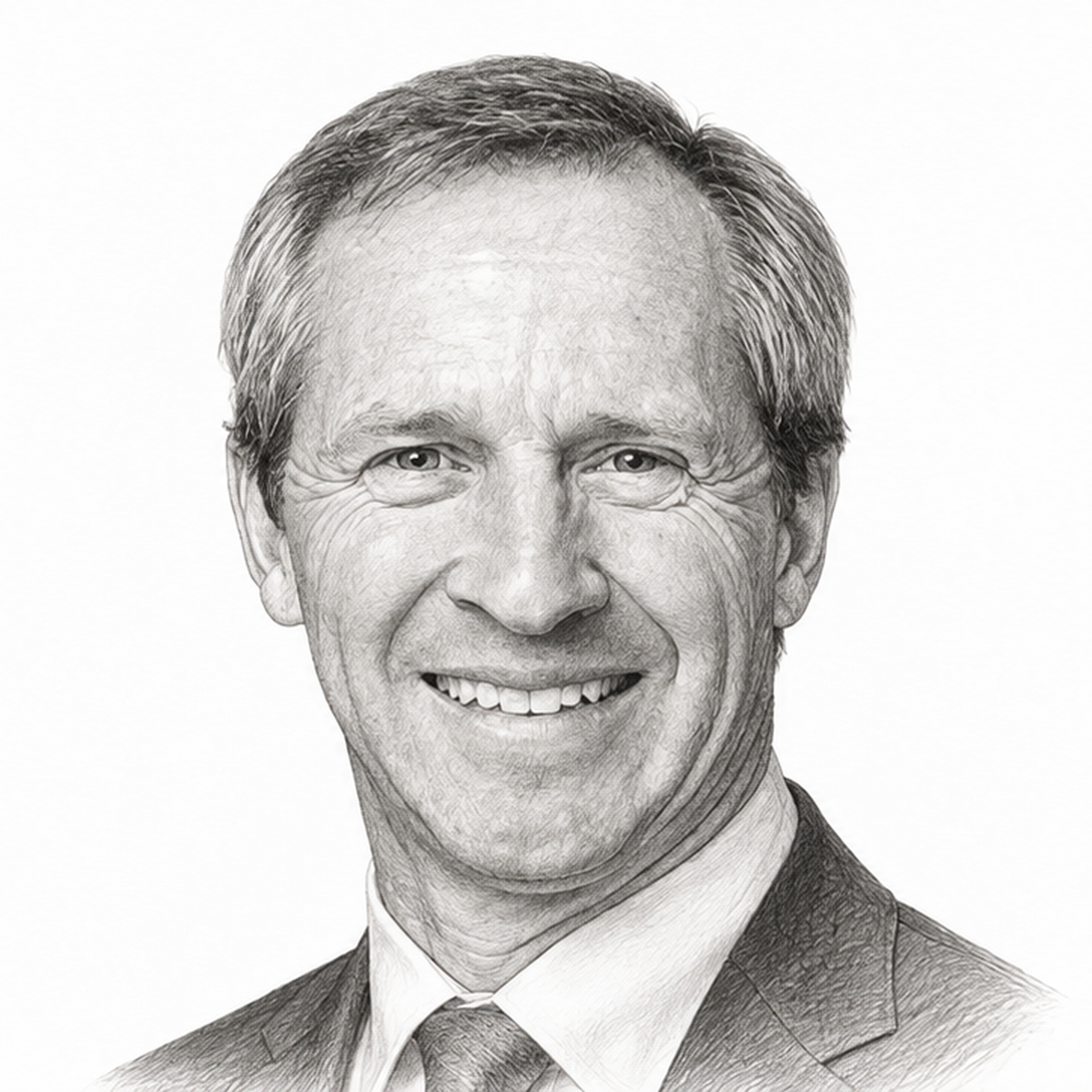
Kerry Hart, Founder & Chief Operating Officer
For co-founder and Chief Operating Officer Kerry Hart, the challenge was deeply personal.
For over two and a half years, Kerry experienced unexplained weight gain, edema, and severe fatigue. His internist and PCP suspected several common causes, but none were confirmed with testing. A cardiologist suspected congestive heart failure, and Kerry underwent a battery of tests over a few months, some more than once, but this diagnosis was eventually ruled out as well, and the true underlying cause of his illness remained unrecognized.
One evening, his internist, who was also a personal friend, was reviewing Kerry's medical records after hours. He called Kerry at home with new questions, the answers to which led to a referral to a nephrologist and a series of new tests over several weeks. When those proved inconclusive, the last resort was a kidney biopsy, which revealed the presence of amyloid deposition in the kidney tissue.
His internist friend's questions helped create the clinical suspicion that ultimately led to a diagnosis of AL amyloidosis, a rare and potentially life-threatening disease. Kerry subsequently underwent a lifesaving stem cell transplant.
Now Kerry is helping build a company dedicated to shortening the diagnostic journey for patients who might otherwise remain invisible.
His experience raised a question central to RDDT's founding: How can we bring overlooked clinical evidence to physicians' attention without adding to the demands of everyday practice?
“Kerry's physician kept looking beyond the expected diagnosis, even after hours. That persistence saved his life.”
No patient's opportunity for accurate diagnosis should depend on a physician in today's environment taking the extraordinary time to look one more time.
The Story Behind RDDT
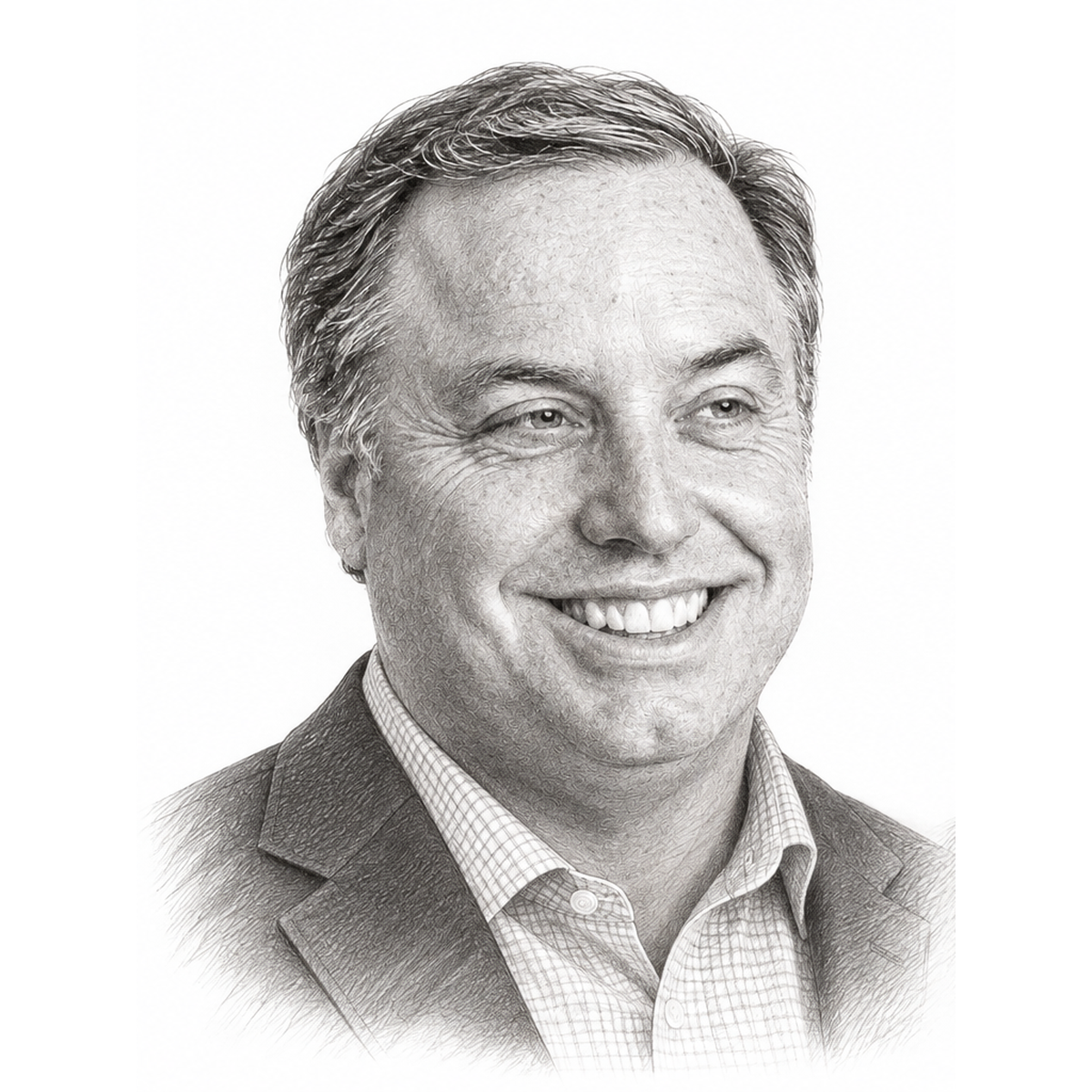
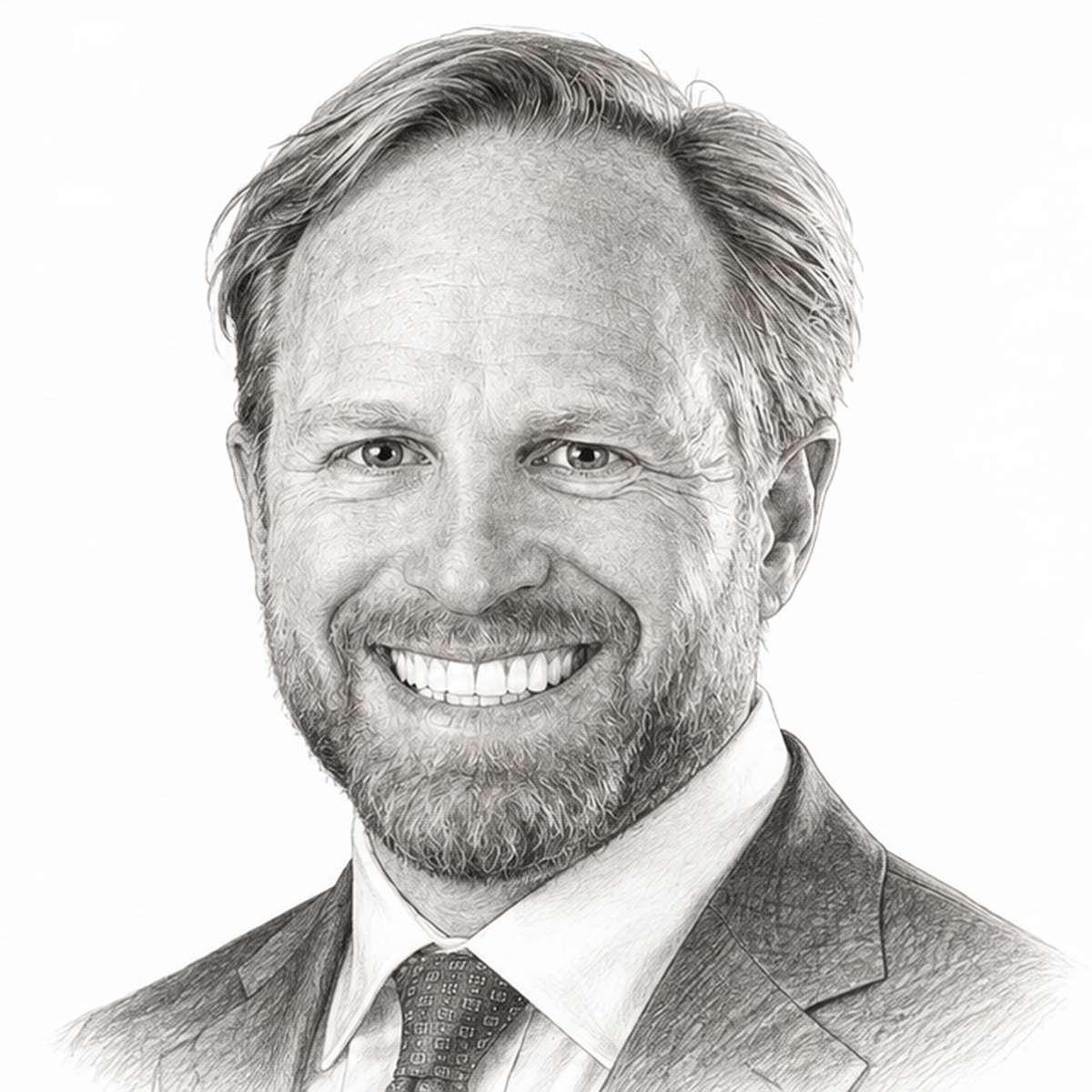
David Silas Connor, Founder & Chief Executive Officer
Over more than 25 years in biopharmaceutical commercialization, including eight ultra-rare disease therapy launches, RDDT founder and CEO David Silas Connor witnessed one of modern medicine's most profound contradictions.
Science was accomplishing what once seemed impossible. Extraordinary therapies were transforming the course of devastating diseases, offering hope where little had existed before. Yet somewhere, often just beyond the reach of specialized medicine, patients who desperately needed these breakthroughs remained undiagnosed. Their stories continued through years of uncertainty, misdiagnoses, unnecessary procedures, inappropriate treatments, and sometimes irreversible disease progression.
The tragedy was that many of these patients were not missing from healthcare. They were already there.
And therein lies deeper realization.
Better technology could surface the previously unsuspected patients. But technology alone could not ensure anyone had the capacity to act.
RDDT was founded on that conviction: that the extraordinary progress of medical science should not remain beyond the reach of patients simply because their disease had yet to be recognized.
The patient would be the primary beneficiary, gaining an opportunity for earlier diagnosis and appropriate care. And the healthcare organization would gain a sustainable economic reason to pursue patients who had remained invisible for far too long.
"All stakeholders, especially the patient, suffer needlessly because of the inefficiencies around rare disease diagnosis. " David Silas Connor CEO

The Question That Founded RDDT
What About All the Undiagnosed & Lost Rare Disease Patients?
Both Kerry and David arrived at the same question from different directions: what if the patients who need rare disease therapies are already inside the healthcare system — already being seen by physicians, already generating data — but simply going unrecognized?
That question became the founding premise of Rare Disease Data Trust. Not a research organization. Not a registry. A governed data architecture designed to surface what is already present, and to create the economic and operational capacity for healthcare organizations to act on it.
“The breakthrough is not simply surfacing patients living with undiagnosed rare diseases. It is creating the governed economic architecture that gives healthcare organizations the capacity to act on what we surface.”
Innovation Was Incentivized. Diagnosis Was Left Behind.
1983: Incentivizing Innovation
The Orphan Drug Act changed the economics of rare disease drug development. Manufacturers responded, and therapeutic innovation accelerated, bringing hundreds of treatments to previously underserved patient populations.
The Missing Incentive: Diagnosis Left Behind
Healthcare organizations received no comparable economic incentive to systematically search for undiagnosed rare disease patients. Therapeutic innovation advanced, but diagnostic capacity failed to keep pace.
RDDT: Incentivizing Healthcare Reach
RDDT combines proprietary rare disease intelligence, compliant biopharmaceutical sponsorship, and independent clinical governance to make expanded diagnostic reach economically sustainable for healthcare organizations.
The Orphan Drug Act changed the economics of developing treatments. RDDT is changing the economics of surfacing the patients.
How We Are Built
Three Pillars of the RDDT Model
Governed Data Architecture
A compliant, HIPAA-aligned framework that enables healthcare organizations to surface previously unsuspected rare disease patients from their existing populations within existing privacy, governance, and regulatory requirements.
Economic Alignment
A revenue model that creates sustainable financial incentives for healthcare organizations to participate — turning rare disease analytics from a cost center into a revenue opportunity.
Neutral Intermediary
RDDT operates as the trusted neutral party connecting healthcare organizations, biopharmaceutical sponsors, and patients — preserving the independence of each while enabling collaboration.
These pillars are not aspirational. They are operational.
Stakeholder Alignment
Built for Everyone in the Ecosystem
RDDT was designed from the beginning to serve the interests of every stakeholder in the rare disease ecosystem — not by compromising between them, but by creating a model where their interests genuinely align.
Patients
Seen. Evaluated. Empowered.
Gain new opportunities for earlier diagnosis and appropriate care — without changing their physician or their healthcare organization.
Healthcare Organizations
New Revenue. Real Impact.
Receive sustainable, outcome-independent revenue for authorized population analytics and defined clinical services — without new infrastructure or outcome dependency.
BioPharma Sponsors
Invisible Patients. New Possibilities.
Biopharmaceutical sponsors support authorized population-level analytics that may create opportunities for previously unsuspected patients to receive independent clinical evaluation. Sponsors do not receive patient-level information or direct clinical decisions.”
Alignment is not a feature. It is the architecture. And RDDT was built to make it possible.
Our Principles
Patients First
Every decision we make is evaluated against a single question: does this improve the opportunity for an undiagnosed patient to receive appropriate clinical evaluation and care?
Governed by Design
Compliance is not a constraint we work around. It is the foundation we build on. Our architecture is designed to meet the highest standards of data governance from the ground up.
Economically Sustainable
We believe that doing good and doing well are not in conflict. Our model is designed to create durable financial incentives that make participation sustainable for every stakeholder.
Neutral and Independent
RDDT preserves independence in clinical and commercial decision-making while remaining accountable to patients, healthcare organizations, and the integrity of its governed process.
These principles are embedded in how the company operates.
We believe technology extends human capability rather than replacing human judgment by expanding what we can see while preserving our authority to determine what happens next.
Leadership team
Meet the Team
“We want to make a big difference, not a small difference.” — David Silas Connor
View the full leadership team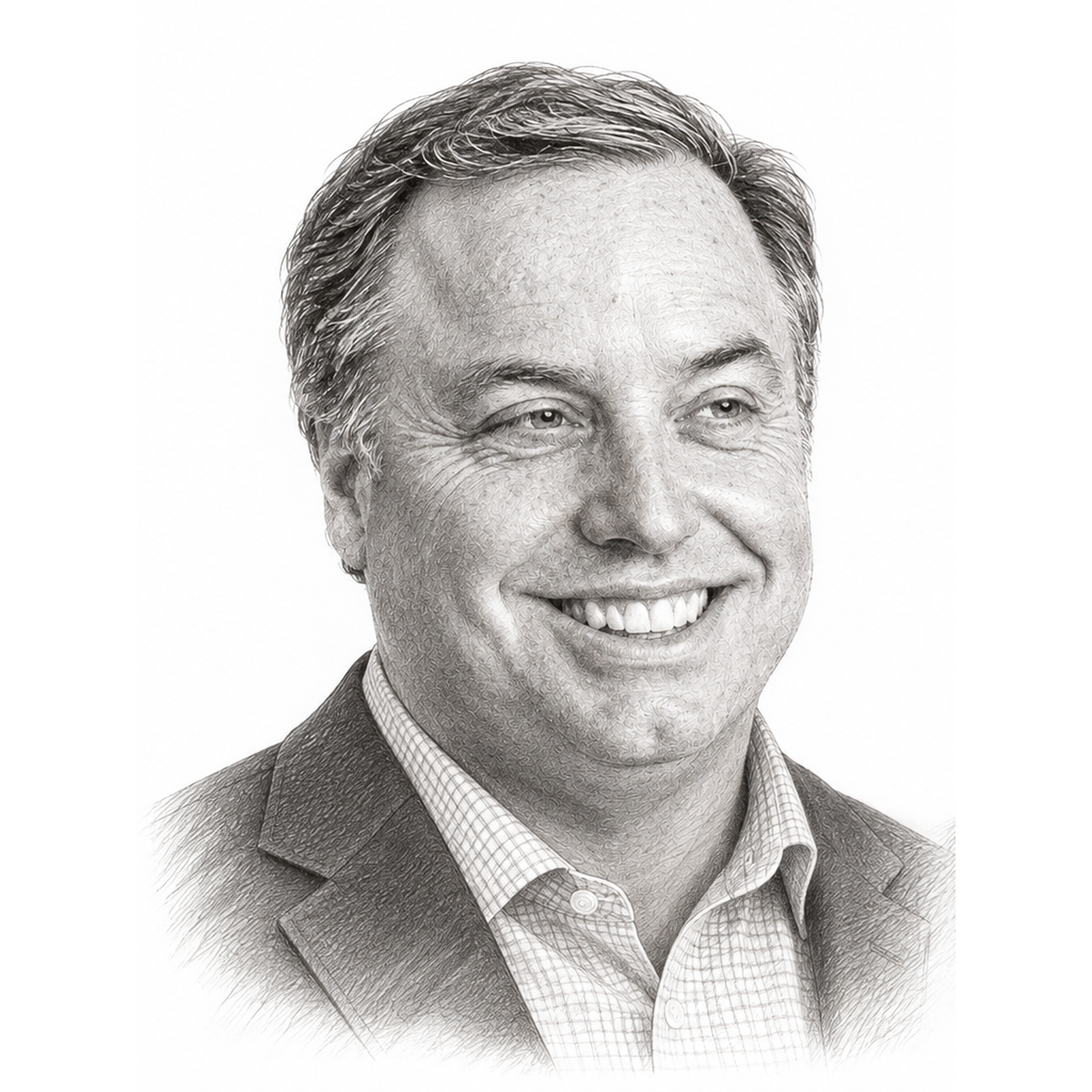
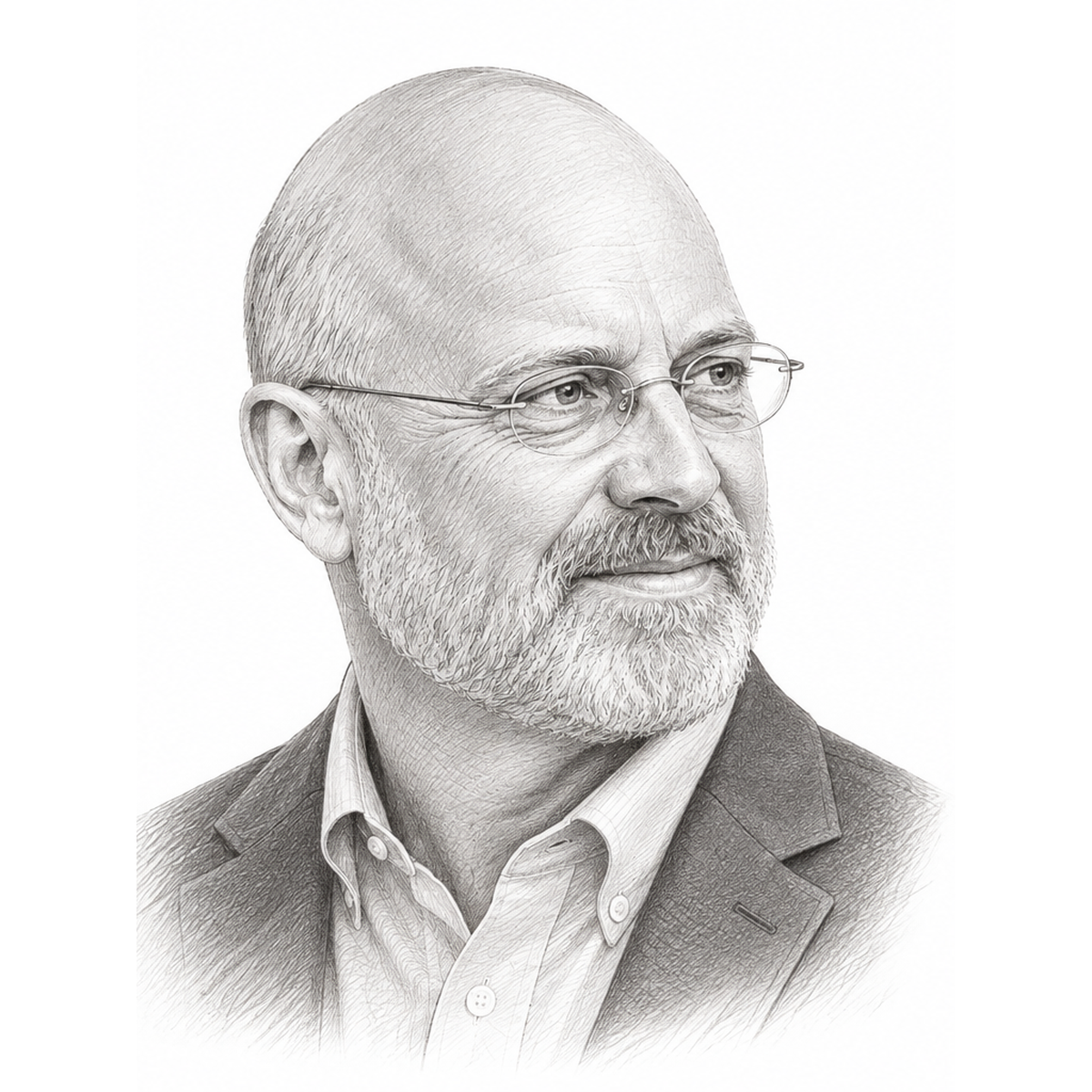
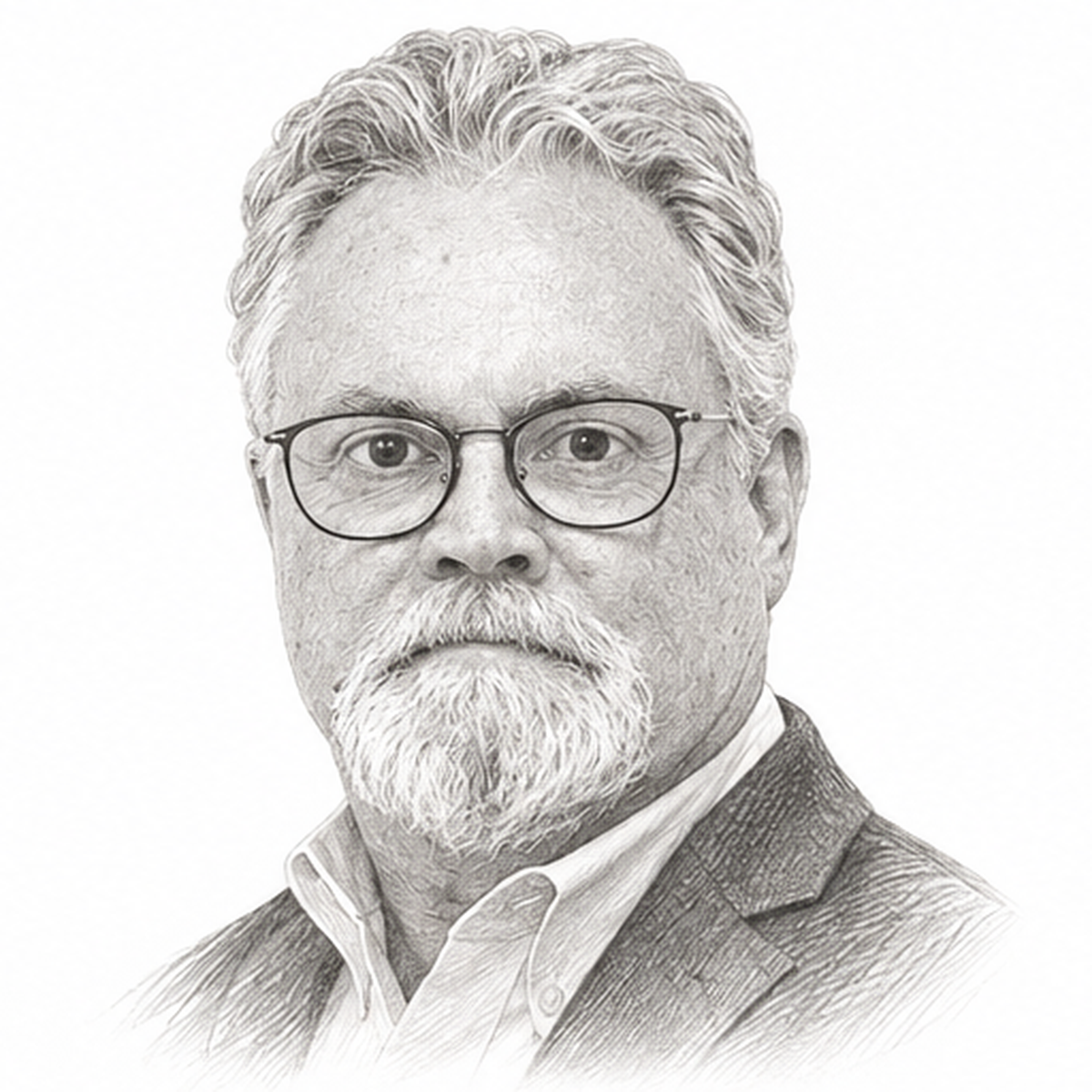
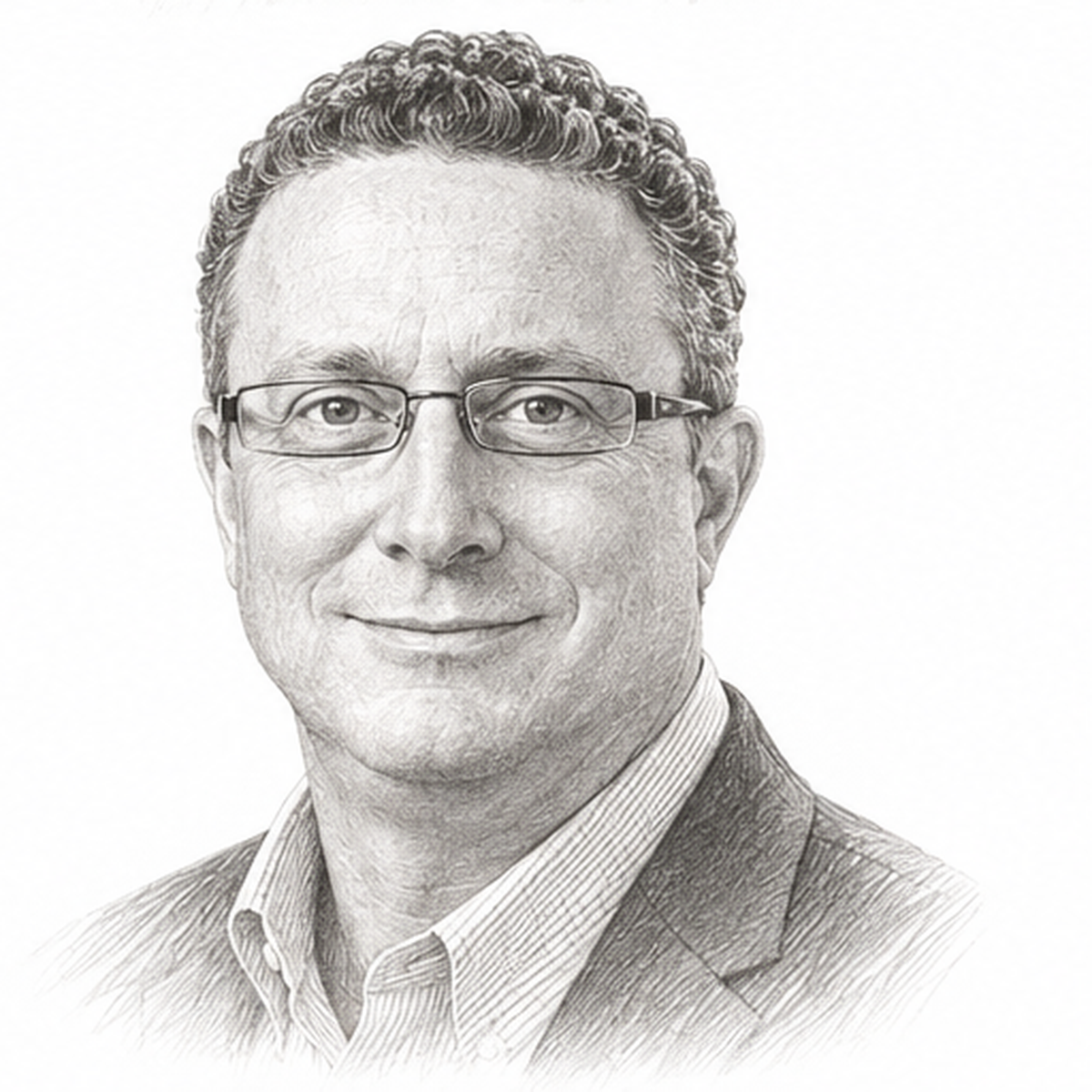
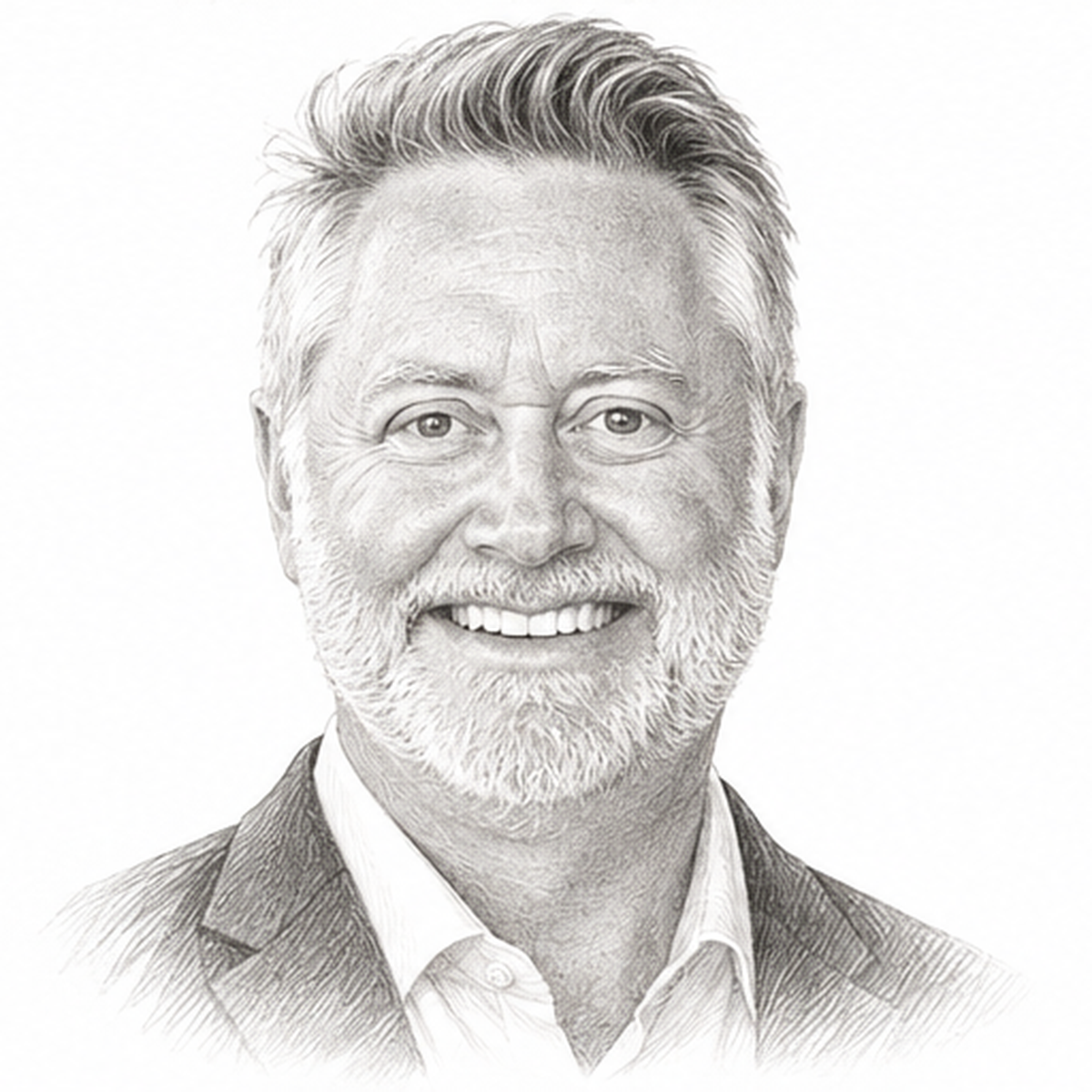
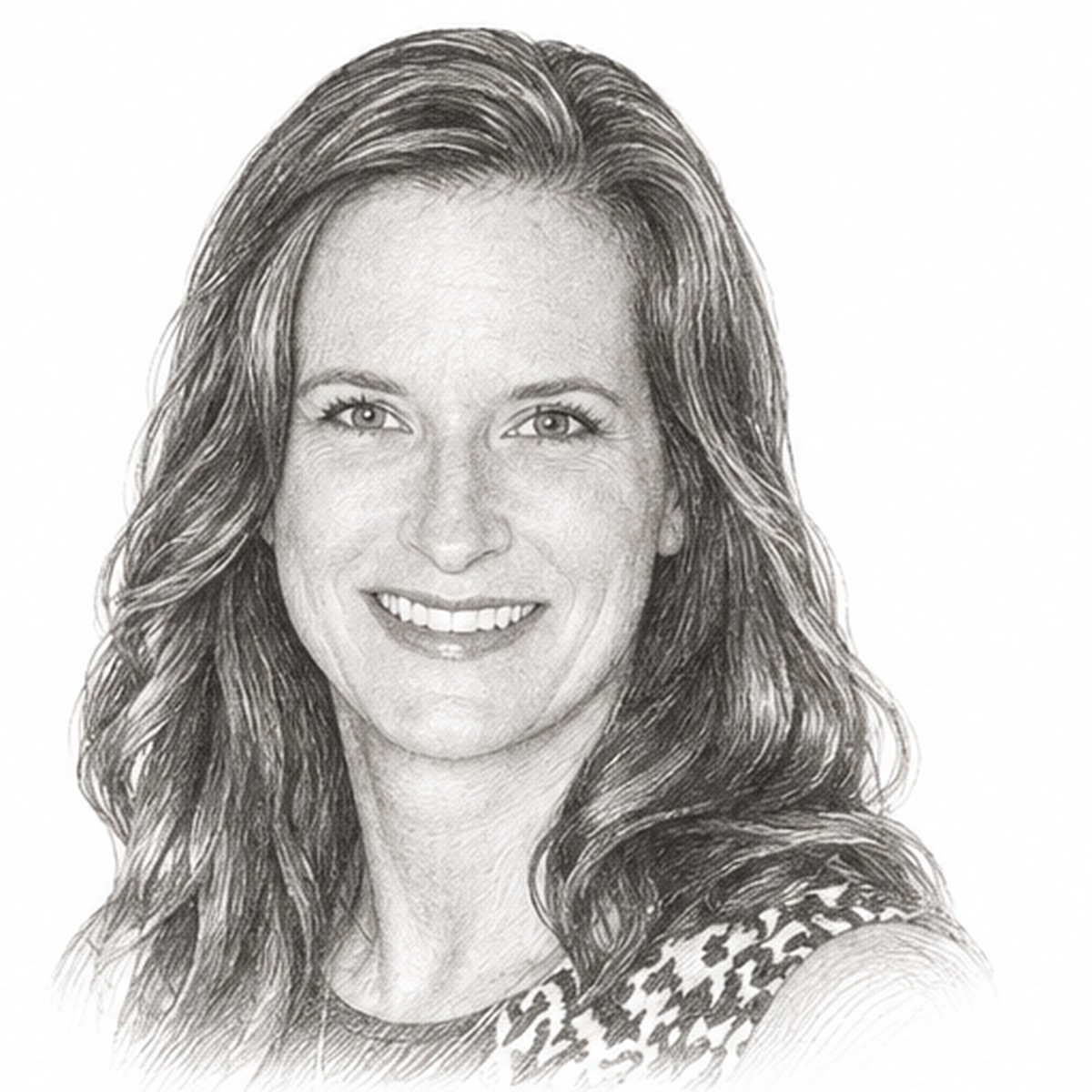
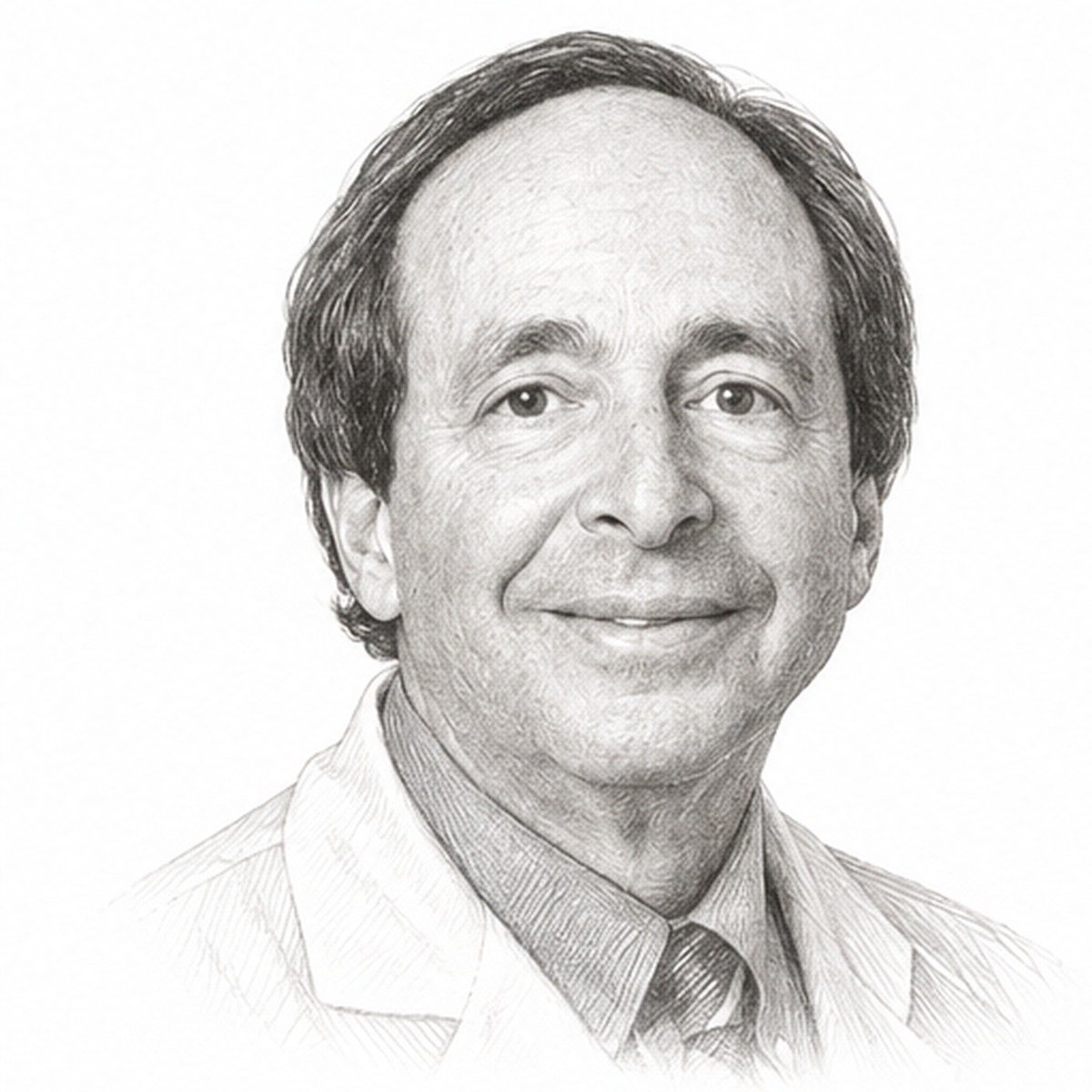
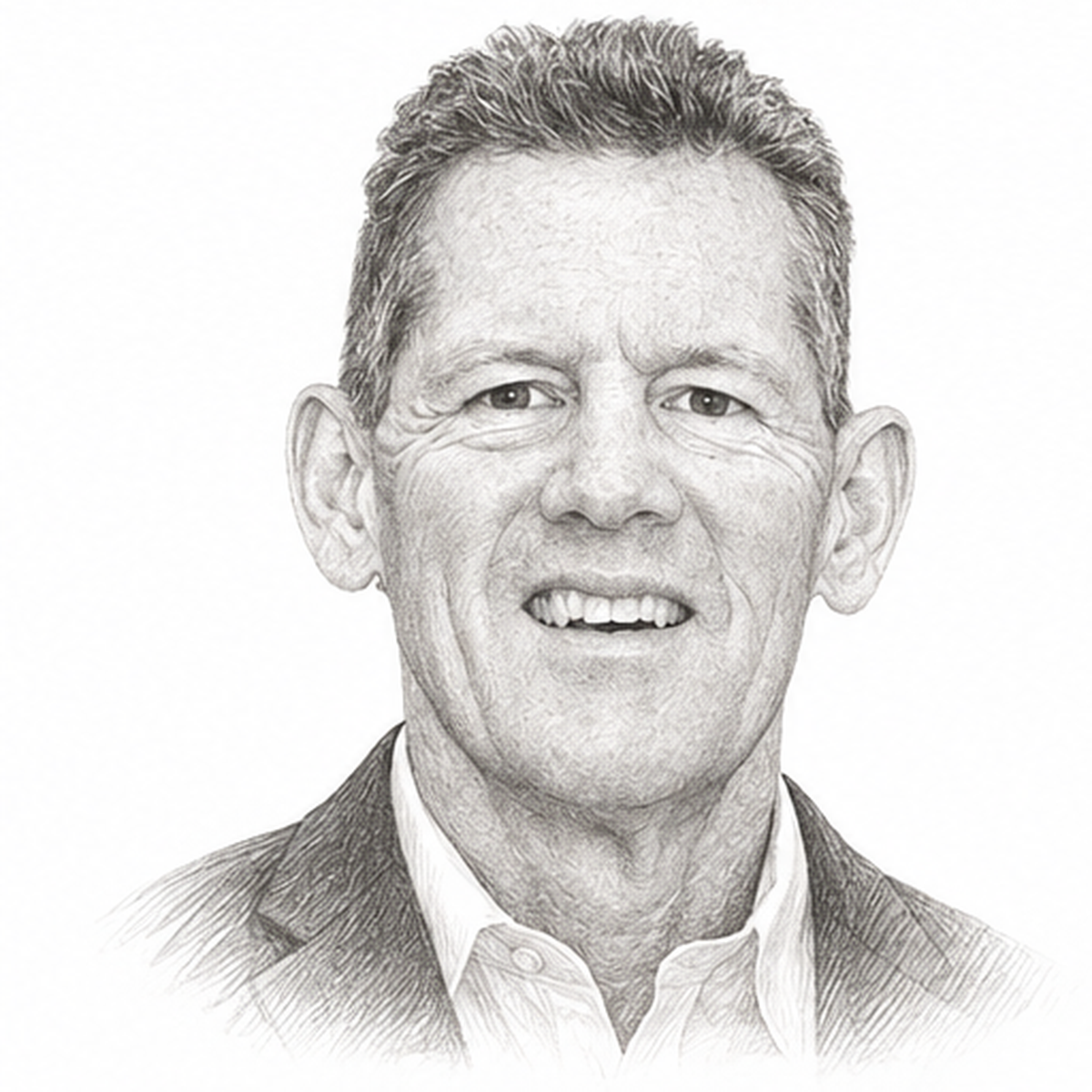
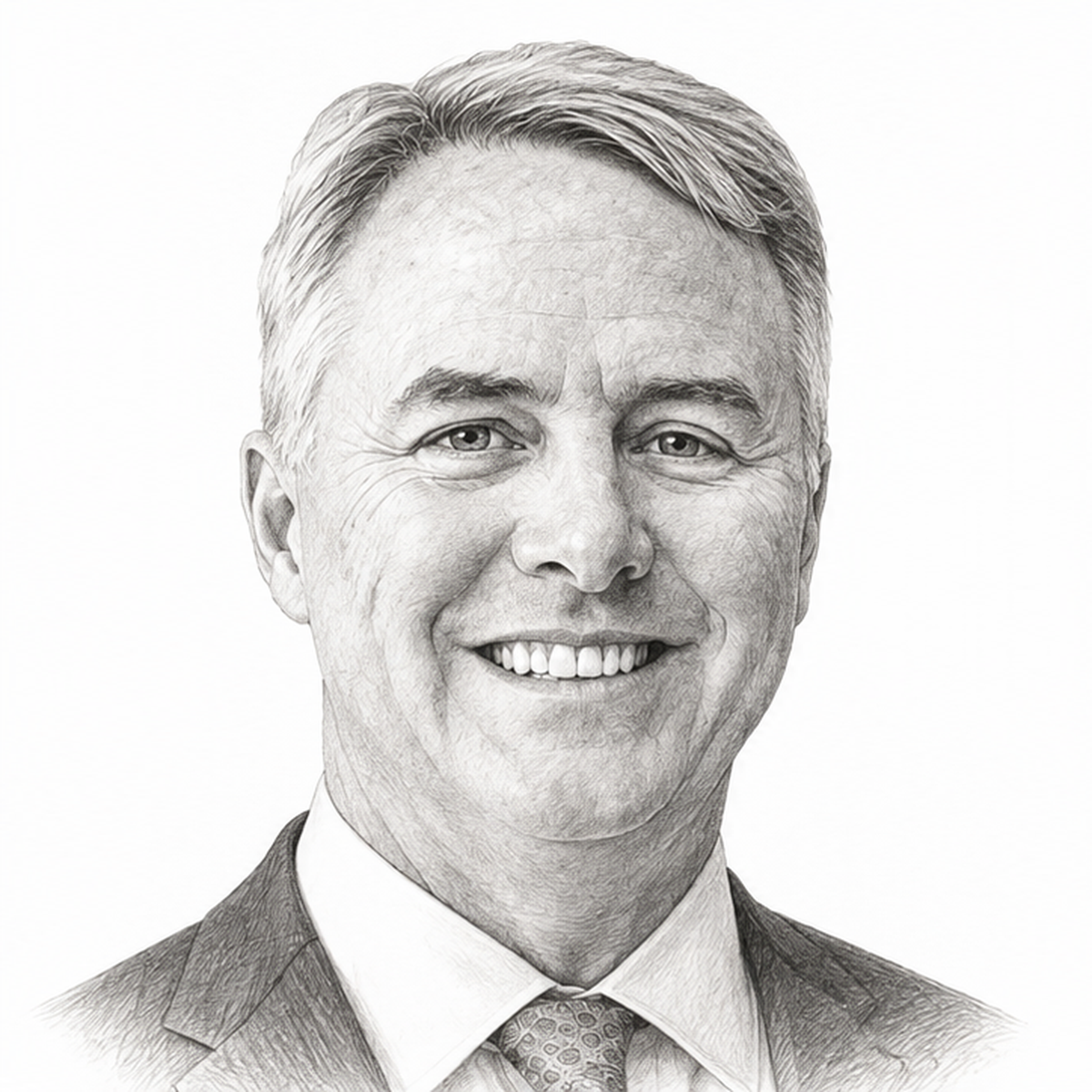
11 leaders across clinical, technology & operations
Join the Mission
The Patients Are Waiting & Hoping.Help Us Find Them.
Rare Disease Data Trust is building the infrastructure that rare disease medicine has always needed — a governed, economically aligned architecture that makes it possible for healthcare organizations to act on what they already know.
We are looking for healthcare organizations, biopharmaceutical partners, and mission-aligned investors who understand that the next breakthrough in rare disease is not only scientific, it's operational.